A Clinical Trial Support Grant from the Bone Cancer Research Trust is helping to investigate whether an advanced whole-body imaging technique can improve how doctors detect the spread of Ewing sarcoma.
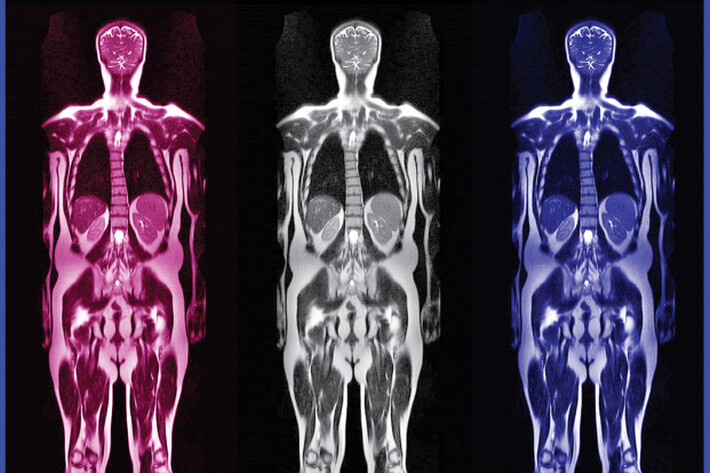
Led by Professor Bernadette Brennan at Royal Manchester Children’s Hospital, the grant offers additional support to the international clinical trial, INTER-EWING-1 trial. The study compares a newer MRI-based approach (WB-DWIBS) with standard PET/CT scans, currently used to identify cancer spread.
For those whose cancer has not spread, the survival rate with current treatment is good. However, if Ewing sarcoma has metastasised particularly to other bones, the survival rate is much reduced. Identifying bone metastases as early as possible is therefore critical for this reason, but also because treatment for metastasised cancer requires more intensive treatments, including chemotherapy and radiotherapy. It is therefore crucial to firstly identify those whose cancer has metastasised so they can receive the appropriate treatment, and secondly, accurately locate all metastases in the body to ensure effective treatment.
Professor Bernadette Brennan said:
Accurately detecting whether Ewing sarcoma has spread to other bones is critical in guiding treatment decisions and improving outcomes for patients. This study will help us understand whether this advanced whole-body imaging approach can identify metastases more effectively and monitor how they respond to treatment. If successful, this approach could enable more precise, personalised treatment and improve outcomes for patients. If not, the findings will help avoid unnecessary procedures and support more efficient care.
As part of the trial, patients will receive both scan types, and if metastases are found, an additional WB-DWIBS will be performed after chemotherapy has begun, to monitor the behaviour of the metastases in response to chemotherapy. Independent experts will assess the scans to determine which methods have more successfully detected metastases.
Dr Zoe Davison, Director of Research at the Bone Cancer Research Trust added:
This study is an important step in exploring whether new imaging approaches can give clinicians a clearer, more accurate picture of the disease. By supporting this clinical trial, we are helping to strengthen the evidence needed to improve diagnosis, monitoring of treatment response and, ultimately, outcomes for patients. This type of research is only possible thanks to the continued support of our generous fundraisers and donors, whose commitment is helping drive real progress. This is exactly the kind of research that brings us closer to more personalised and effective treatment.